
So, you’re thinking about studying abroad? Great choice! It’s one of the most enriching experiences you can have as a student. But before you start dreaming of sipping café con leche in Spain or slurping noodles in Hong Kong, let’s talk about two main paths to get there: Study Abroad Programs and Exchange Programs. Spoiler alert: one of these might save you a ton of money.
The Basics: Study Abroad vs. Exchange Programs
Study Abroad Programs are typically organized by third-party providers or your university. They come with all the bells and whistles: housing arrangements, orientation programs, and sometimes even group excursions. But all that convenience comes at a price. Think tuition fees plus program fees, which can easily range from $15,000 to $25,000 per semester in popular cities like London or Paris.
Exchange Programs, on the other hand, are partnerships between your university and a school abroad. You pay your regular tuition, and that’s it. No extra fees for the program itself. However, you’ll need to arrange your own housing and handle more of the logistics yourself. It’s a bit more DIY, but trust me, the savings are worth it.

Let’s Talk Numbers
Here’s a quick comparison to illustrate the difference in costs:
- Study Abroad Programs in cities like London or Sydney: $20,000+ per semester (tuition, fees, housing, etc.).
- Exchange Programs: Regular tuition + living expenses abroad. If you pick the right destination, you can save a lot on rent, food, and transportation.
Take my experience as an example. I did two exchanges: one in Pamplona, Spain, and another in Hong Kong. Let’s break it down:
- Pamplona, Spain: Rent for a room in a shared apartment? $350/month. That’s about $4,200/year, compared to $600/month back in Gainesville, Florida. Food, transportation, and tapas were also much cheaper than my college town.
- Hong Kong: Dorm housing was subsidized by the government, so I paid $200/month! Food on campus was insanely affordable, and I had some of the best meals of my life for just a few dollars.
By choosing an exchange program, not only did I save on major costs, but I also had money left over for what really matters: traveling!
The Freedom to Explore
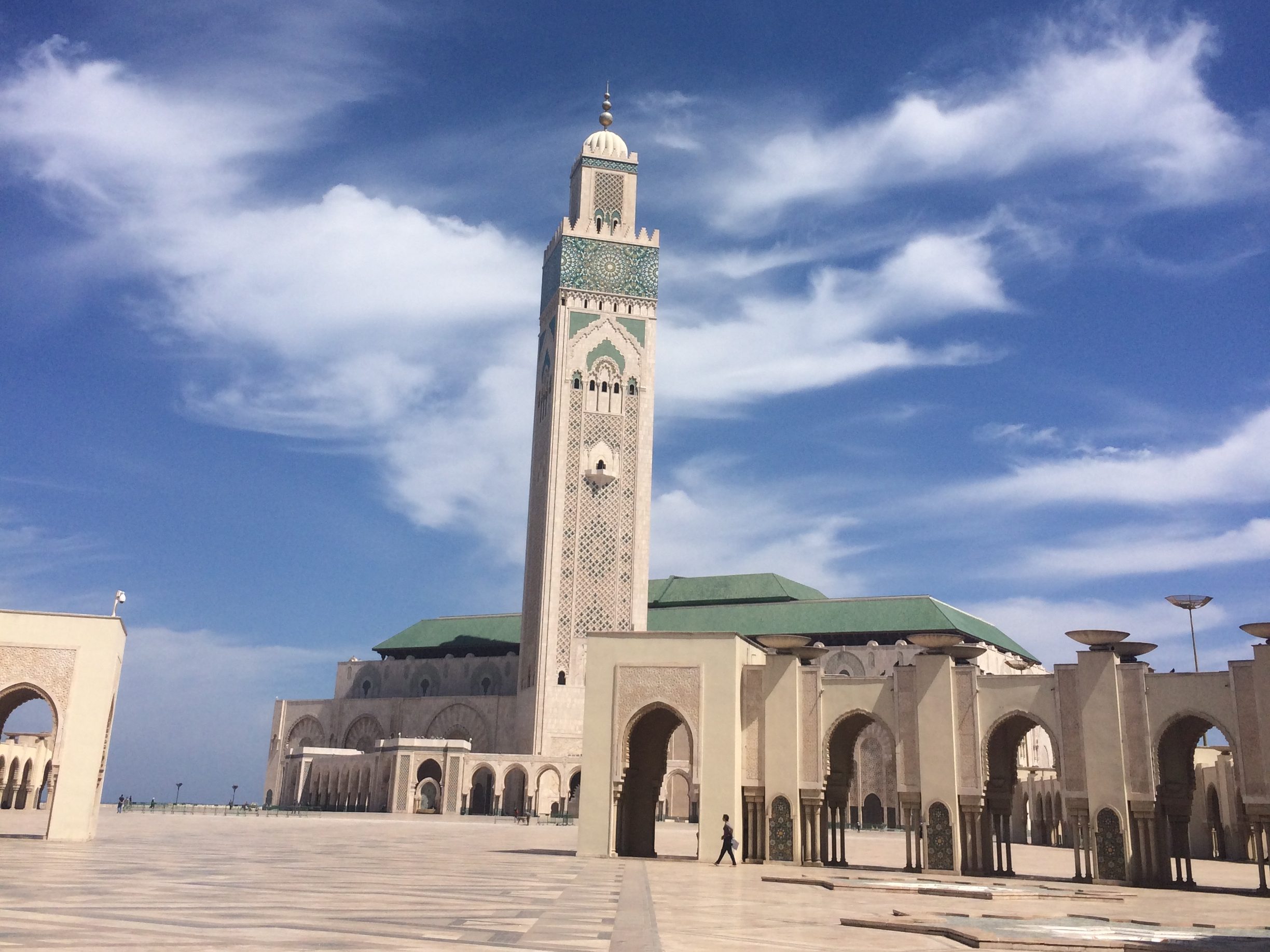
One of the best things about exchange programs is the flexibility. With study abroad programs, your schedule might be packed with planned activities. On exchange, you set your own itinerary. I took classes Monday through Wednesday and spent my weekends exploring new cities and countries. During my semester in Spain, I visited Lisbon, Paris, Denmark, and Ireland. And let’s not forget Semana Santa, the spring holiday when I explored Andalusia and even hopped over to Morocco.
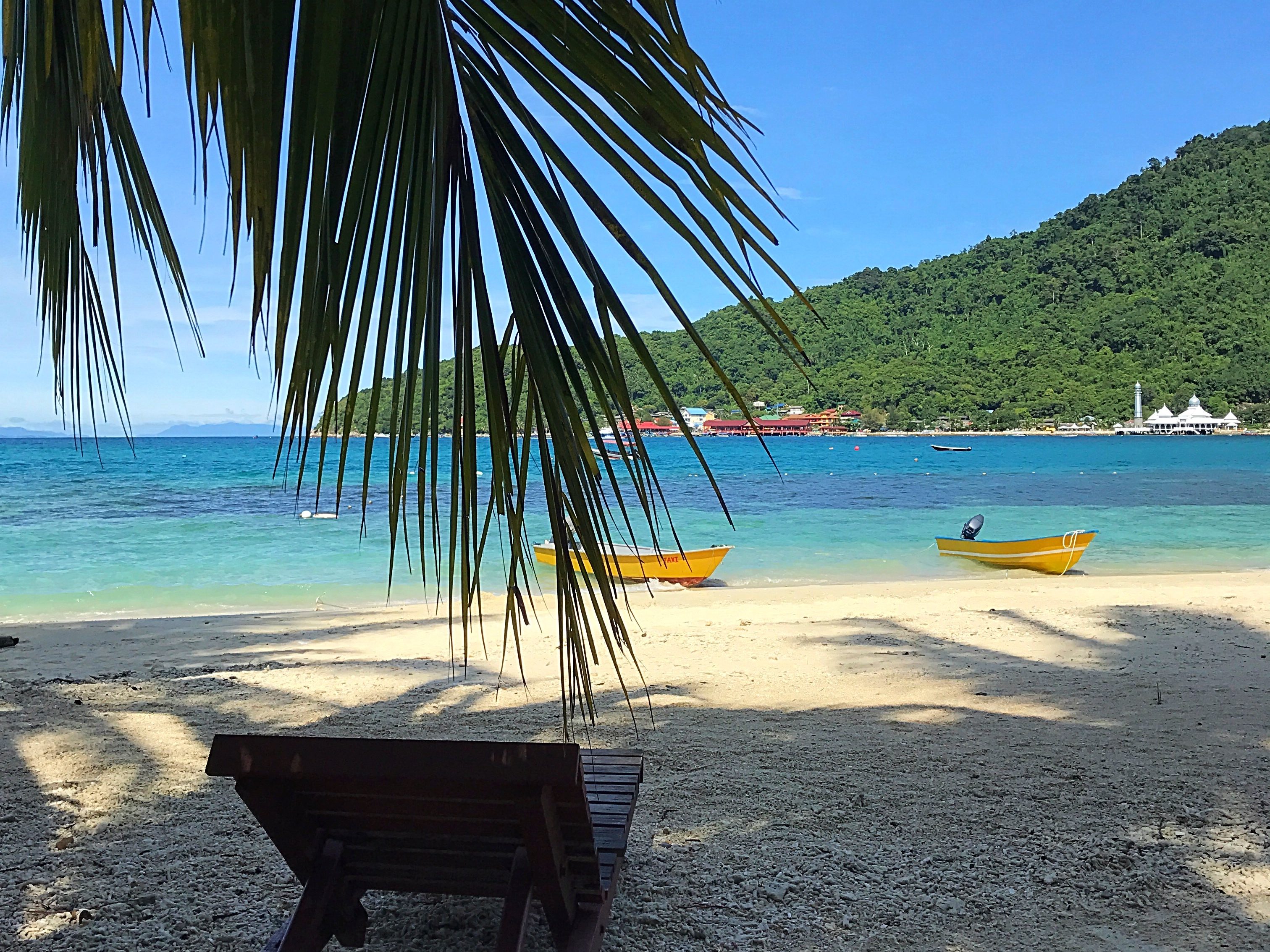
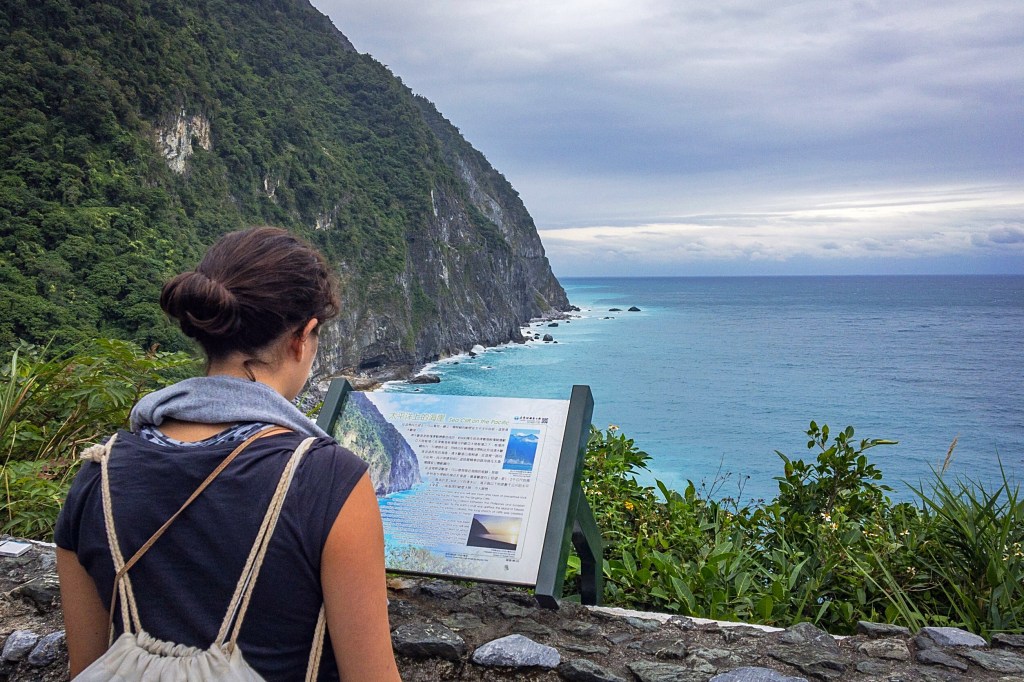
In Hong Kong, the semester was just 14 weeks, so I had extra time to travel. I planned monthly trips and visited Seoul, Taiwan, Malaysia, Thailand, and more. Flights around Southeast Asia were ridiculously cheap—never more than $100 round trip!

Scholarships and Budget Tips
Don’t forget about scholarships! Even small ones, like $500 or $1,000, can make a big difference. Use that money for flights or a weekend trip. And if you’re worried about money, remember that living abroad can be cheaper than staying in your college town. Rent, food, and transportation often cost less in places like Spain or Southeast Asia. Plus, you’re building priceless memories.
A few budget tips from my experience:
- Couchsurf: Stay with locals for free and immerse yourself in the culture.
- Plan your classes wisely: Maximize your free days for travel.
- Shop local: Hit up markets for affordable groceries.
- Use student discounts: Always carry your student ID!
Why It’s Worth It
Studying abroad isn’t just about academics. It’s about personal growth, making lifelong friends, and having stories that will make you stand out in job interviews. During my junior year internship interview, my boss was more interested in my travel adventures than my GPA. Those experiences make you unique and memorable.
Final Thoughts
If you’re considering studying abroad, don’t overlook exchange programs. They’re cheaper, more flexible, and give you the freedom to create your own adventures. Ask your study abroad advisor about available exchange programs at your university. And don’t let finances hold you back. With some planning, budgeting, and maybe a little help from student loans or scholarships, you can make it happen.
Trust me, the memories and experiences are worth every penny. So start planning your semester abroad today—your future self will thank you. And who knows? Maybe you’ll find yourself having the time of your life, just like I did.
 the nomadic saver
Leave a comment